A Professional Approach and Technical Criteria for Choosing Roof Insulation Materials
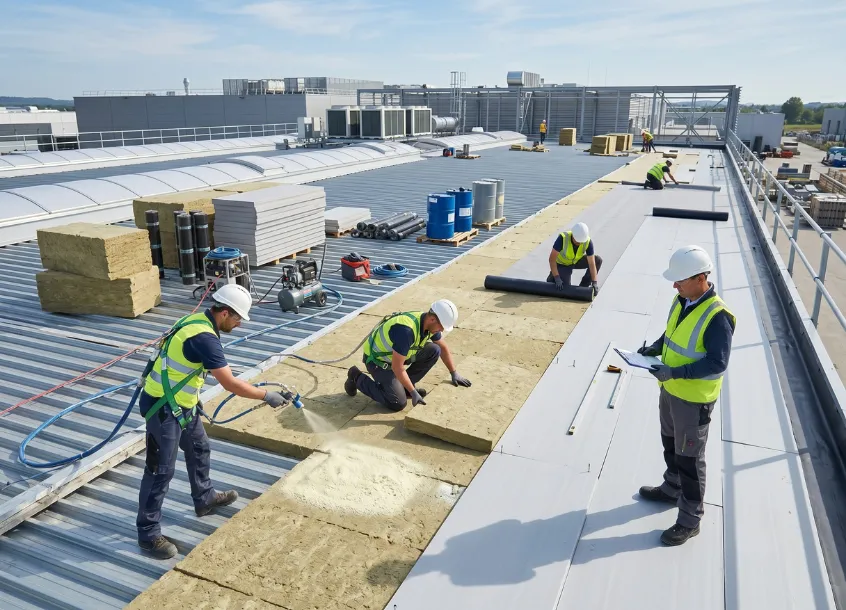
A Professional Approach and Technical Criteria for Choosing Roof Insulation Materials
Roof insulation is a critical application that directly affects the energy efficiency, durability, and long-term performance of buildings. When the right material is not selected, problems such as heat loss, water leakage, moisture, mold, surface deterioration, and increased maintenance costs may occur.
Therefore, roof insulation material selection should be carefully evaluated not only in terms of insulation quality, but also in terms of the building’s longevity, energy savings, application safety, and return on investment. For construction companies, facility managers, industrial manufacturers, and project teams, choosing the right material is a strategic decision-making process.
Structural and Performance Criteria for Material Selection in Roof Insulation
The technical properties of the material to be used in roof insulation should be determined according to the needs of the application area. Thermal conductivity coefficient, water resistance, mechanical strength, fire resistance, water vapor permeability, and resistance to environmental conditions are among the primary criteria in this process.
Especially wide-span industrial roofs, residential roofs, terrace areas, and pitched roof systems have different performance expectations. Therefore, using the same insulation material for every project may not provide the right result. When selecting materials, roof type, climate conditions, intended use, and application method should be analyzed together.
Key Criteria to Consider When Choosing Roof Insulation Materials
- Thermal conductivity coefficient: Low thermal conductivity helps reduce energy losses.
- Waterproofing performance: Resistance against rain, snow, and moisture on roof surfaces is critically important.
- Mechanical durability: In industrial roofs, resistance to pressure, loads, and physical impacts should be expected.
- Fire resistance: The fire performance of the material should be evaluated in terms of building safety.
- Water vapor permeability: Breathability helps reduce the risk of moisture accumulation and condensation.
- Ease of application: Labor time, surface preparation, and application technique affect costs.
Reviewing insulation products developed for different areas of use in roof and building insulation can make the material selection process easier.
GET INFORMATION ABOUT ROOF INSULATION SOLUTIONS
Application Areas of Different Roof Insulation Materials
Different materials such as polyurethane foam, XPS, glass wool, rock wool, membranes, and special coating products can be used in roof insulation projects. Each material provides advantages according to different application conditions and performance expectations.
Polyurethane Foam
Polyurethane foam stands out with its high thermal insulation performance and gap-filling capability. Thanks to its spray application advantage, it can adhere strongly to the surface and provide seamless insulation in detailed areas. It can be an effective option especially on roofs where heat loss is intense.
XPS Insulation Materials
XPS, or extruded polystyrene, can be preferred in areas that require compressive strength and water resistance. It can provide advantages in industrial facility roofs, terrace applications, and projects where mechanical loads are more intense.
Glass Wool and Rock Wool
Glass wool and rock wool are materials that can be preferred not only for thermal insulation, but also for sound insulation and fire resistance. They can be evaluated in residential projects, commercial buildings, and applications where fire safety expectations are high.
Material Selection in Industrial and Residential Applications
When choosing roof insulation materials for industrial facilities, high durability, chemical resistance, compressive strength, and long-term performance are priorities. In large production facilities, warehouses, and factory buildings, roof insulation is highly important for controlling energy costs and supporting operational continuity.
In residential projects, thermal insulation, acoustic comfort, breathability, and living comfort are more prominent criteria. Therefore, materials that both provide energy savings and support indoor comfort should be preferred for residential roofs.
Material Durability and Environmental Effects in Roof Insulation
Materials used in roof insulation may be directly exposed to outdoor conditions. Sunlight, rain, snow, wind, temperature changes, and moisture can affect the performance of the material over time.
Therefore, properties such as UV resistance, waterproofing, freeze-thaw resistance, and surface stability must be evaluated during the selection process. Choosing materials with environmentally friendly production processes also supports a sustainable building approach.
Choosing the Right Material with Expert Opinion
In roof insulation projects, the correct application technique is as important as material selection. Even the highest-quality material may fail to deliver the expected performance due to incorrect surface preparation or faulty application.
Architecture, engineering, and application teams should prefer methods suitable for the material properties. Isoweir’s technical support and field application approach contribute to using the material on the right surface and with the right method. This supports energy savings, building health, and application quality in the long term.
Roof Insulation Materials That Provide Return on Investment in Projects
Roof insulation material selection affects not only the initial investment cost but also long-term operating expenses. The right material helps reduce energy consumption by minimizing heat losses.
This can provide significant financial advantages especially in large-scale industrial facilities, mass housing projects, and buildings with high energy consumption. Reduced maintenance and repair needs positively affect the return on investment period.
GET INFORMATION ABOUT ROOF INSULATION SOLUTIONS
Practical Checklist for Choosing Roof Insulation Materials
- Has the roof type and application area been analyzed in detail?
- Have thermal insulation and waterproofing needs been evaluated together?
- Is the thermal conductivity coefficient of the material suitable?
- Are waterproofing performance and UV resistance sufficient?
- Have fire resistance and safety criteria been reviewed?
- Is the application method compatible with the material properties?
- Have the initial investment cost and long-term energy savings been calculated together?
Common Mistakes in Roof Insulation
One of the most common mistakes in roof insulation projects is evaluating material selection only based on price. A low-cost product that is not suitable for roof conditions may cause performance loss and reapplication costs in a short time.
- Choosing materials without surface analysis
- Not planning thermal and waterproofing needs together
- Not considering UV, moisture, wind, and temperature changes
- Not reviewing material thickness and technical values sufficiently
- Not planning application details with professional teams
- Not taking long-term maintenance and energy costs into account
Conclusion: The Right Material in Roof Insulation Provides Long-Term Performance
Roof insulation material selection directly affects the building’s energy performance, durability, maintenance needs, and service life. Thermal conductivity coefficient, waterproofing, mechanical strength, fire resistance, environmental effects, and application technique should be evaluated together.
Working with experienced companies with strong technical knowledge in the roof insulation material selection process directly affects the success of your project. As Isoweir, with our detailed technical analysis, high-quality material supply, and professional support approach, we contribute to your long-term performance and sustainability goals in your projects.