How to Choose the Best Ceiling Paint?
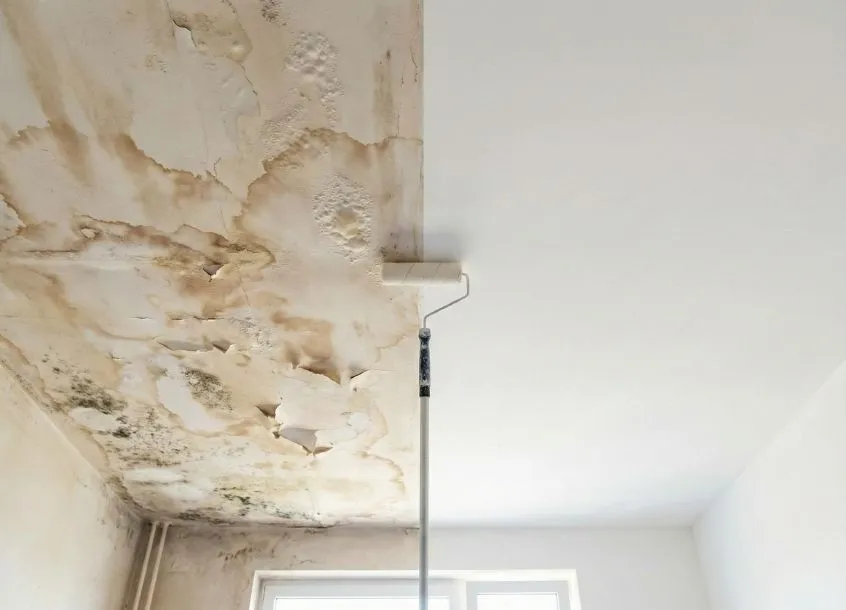
How to Choose the Best Ceiling Paint?
Ceiling paint selection is often overlooked compared to wall paint. However, the truth is this: Ceilings are among the surfaces most exposed to moisture, steam, and temperature differences in a building. Therefore, choosing the wrong paint or preparing the substrate incorrectly can quickly result in blistering, yellowing, mold, and staining.
Let’s be clear:
Ceiling paint is a technical decision before it is an aesthetic one.
Performance should come before color, and substrate assessment should come before brand preference. Without the right product, the right surface, and the right preparation working together, expecting a long-lasting result is not realistic.
GET INFORMATION ABOUT CEILING PAINT PROBLEMS
If you are experiencing recurring paint problems on your ceilings, let’s first analyze the cause together.
Essential Features of a Good Ceiling Paint
A high-quality ceiling paint does more than simply appear white; it protects the surface, does not hide problems, and does not create new ones. A good ceiling paint should include the following essential features:
High Coverage
It should provide a homogeneous finish in one or two coats and be able to cover old paint marks and color differences underneath. Low coverage increases the number of coats required, which may increase the risk of surface weight and blistering.
Non-Drip Consistency
In ceiling applications, dripping and splashing directly affect workmanship quality. Non-drip paints with a controlled consistency help achieve a smooth surface finish.
Breathability
Paints that trap vapor keep moisture inside the surface. This quickly creates the conditions for blistering and mold formation. Vapor permeability is a critical parameter in ceiling paints.
Resistance to Mold and Moisture
This is especially important for bathrooms, kitchens, and upper-floor ceilings. However, there is an important detail here: mold-resistant paint does not solve existing moisture problems; it only delays the result.
Matte and Light-Diffusing Finish
Matte surfaces help conceal unevenness and application imperfections on ceilings. Glossy or semi-gloss paints make surface defects more visible.
However, one point must be strongly emphasized:
Even the best paint will fail on a damp surface.
Why Do Moisture Problems Occur on Ceilings?
Most paint problems seen on ceilings are not caused by the paint itself, but by moisture and water issues in the substrate. The most common causes observed on-site are:
- Water Leaks from the Upper Floor: Plumbing leaks, bathrooms, balconies
- Insufficient or Incorrect Waterproofing: A chronic problem especially in older buildings
- Condensation: Insufficient ventilation and indoor–outdoor temperature differences
- Terrace and Roof Problems: The main cause of staining on upper-floor ceilings
Every paint application carried out without solving these problems is nothing more than temporary cosmetic coverage. The paint may appear to adhere at first; however, moisture continues to act beneath the surface, and the same stains return shortly afterward.
GET INFORMATION ABOUT MOISTURE AND WATERPROOFING
Get technical support to correctly identify the source of your ceiling problems.
The Most Critical Step Before Painting: Moisture and Waterproofing
The professional approach is clear:
First eliminate the cause, then apply the paint.
Any paint applied before solving a moisture problem is destined to fail. When applied before painting, Isoweir’s water and moisture insulation solutions target the source of moisture. Instead of simply covering the surface, they stop the problem at its root.
After proper insulation:
The paint does not blister
Yellowing and staining do not occur
Mold and fungus do not return
The service life of the paint increases significantly
At this point, paint becomes not a coating that hides the problem, but a complement to a permanent solution.
Most Common Mistakes in Ceiling Paint Applications
The mistakes repeatedly encountered on-site should be stated clearly:
Painting directly over a damp surface
Proceeding with painting before removing mold
Choosing a water-based paint that is not breathable
Focusing only on the surface without checking the upper floor, roof, or plumbing system
The result of these mistakes is almost always the same:
The same ceiling, the same stain, the same expense. The cycle does not change.
The real problem here is not the paint brand, but a chain of wrong decisions.
The Right Question to Ask When Choosing Ceiling Paint
The question “Which is the best ceiling paint?” is incomplete on its own. The real question should be:
Is the ceiling dry? Has the moisture been brought under control?
A high-quality paint applied to a ceiling surface that has been properly prepared with Isoweir water and moisture insulation solutions can deliver trouble-free performance for years. Otherwise, even the most expensive paint can lead to disappointment in a short time.
Conclusion: The Best Ceiling Paint Is the One Applied on the Right Surface
Ceiling paint selection should not be made only by comparing products on a shelf, but by analyzing the actual condition of the substrate. Every application carried out without solving moisture, water, and condensation problems results in wasted time and budget.
In short:
The problem must be solved first, and the paint should be chosen afterward.
Any other approach merely postpones the issue.
Isoweir’s approach is clear and rational:
A permanent solution begins with the right substrate preparation.