Make the Right Decision with Isoweir, Your Expert Guide in Thermal and Waterproofing Material Selection
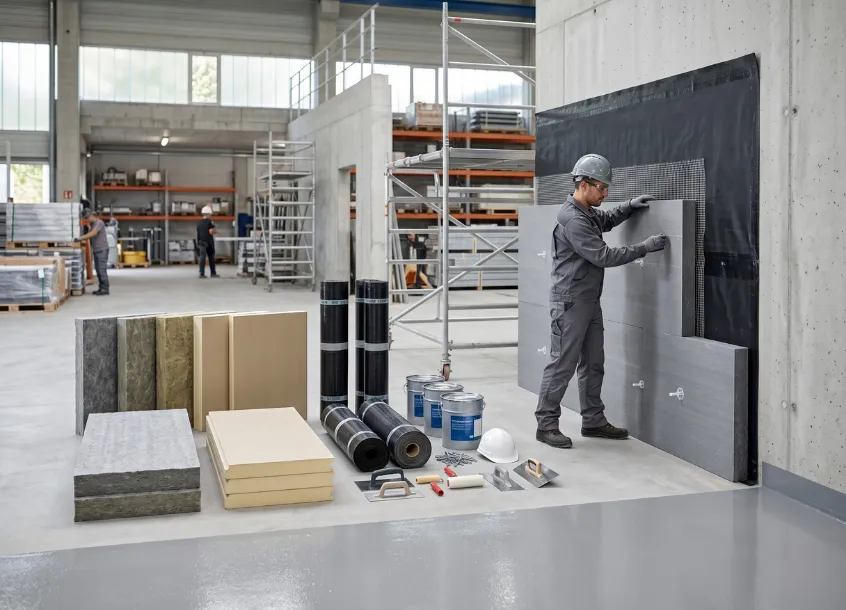
Make the Right Decision with Isoweir, Your Expert Guide in Thermal and Waterproofing Material Selection
Thermal and waterproofing insulation are fundamental elements for the durability and energy efficiency of buildings. Choosing the right material not only ensures a longer service life for the structure, but also reduces operating costs and contributes to environmental sustainability. With the high-quality and comprehensive insulation solutions we have offered since 1989, Isoweir develops solutions tailored to the needs of your industry.
Key Criteria to Consider When Choosing Thermal and Waterproofing Materials
Every industry and application has different needs. For the right thermal and waterproofing material selection, the following criteria should be evaluated in detail:
- Performance Requirements: The thermal conductivity coefficient, water vapor permeability, and durability of the insulation material should be prioritized.
- Environmental Conditions: Interior or exterior façades, humid environments such as marine applications, or industrial facility conditions are decisive factors in material selection.
- Compatibility and Applicability: Materials that are compatible with the surface to be used and provide ease of application should be preferred.
- Environmental and Energy Efficiency: Sustainable materials that contribute to energy savings should be prioritized.
- Cost and Economic Service Life: Long-lasting and cost-effective solutions should be selected together with high performance.
Choosing the right product requires an accurate analysis of technical needs, especially when selecting among insulation products.
GET INFORMATION ABOUT THERMAL AND WATERPROOFING SOLUTIONS
Featured Solutions in Thermal and Waterproofing Insulation with Isoweir Products
Isoweir stands out in the industry with interior and exterior paints, epoxy coatings, and special waterproofing and thermal insulation materials. Product developments focused especially on energy efficiency and durability meet the needs of different industries.
- Epoxy and Terrazzo Coatings: They provide high abrasion resistance and waterproofing for industrial floors.
- Marine Paints: They are preferred on ships and platforms thanks to their saltwater-resistant, rust-preventive, and anti-corrosion properties.
- Interior and Exterior Paints: They support the long service life of buildings by balancing waterproofing and breathability.
Practical Steps: A Beginner’s Guide to Choosing Thermal and Waterproofing Materials
The following steps will guide professionals who are inexperienced in insulation material selection:
- Analyze Your Needs: Identify the areas where thermal and waterproofing insulation are priorities within the project.
- Evaluate Environmental Conditions: Consider factors such as humidity, temperature changes, and chemical exposure.
- Review Material Performance Data: Compare test results for thermal conductivity, water vapor permeability, and chemical resistance.
- Look for Ease of Application and Technical Support: Get application guidance and technical support from industry leaders such as Isoweir.
- Calculate Cost and Long-Term Benefits: Evaluate not only the initial investment cost, but also maintenance and replacement costs.
Real-World Example: Material Selection in the Marine Industry
A shipbuilding company had to choose a waterproofing material resistant to the harsh conditions of the marine environment. Isoweir’s special marine paints and epoxy coatings provided high protection against saltwater. As a result, rusting and water leakage problems on the ship hull were minimized, while maintenance time and costs were reduced. This example shows how choosing the right material directly contributes to operational efficiency.
Frequently Asked Questions About Thermal and Waterproofing Material Selection
Which type of material provides the best thermal insulation?
Materials such as polyurethane foam and extruded polystyrene (XPS) stand out with their low thermal conductivity.
Which products should be preferred for waterproofing?
Epoxy-based coatings and special waterproof paints provide high performance in waterproofing.
What environmental factors should be considered when choosing insulation materials?
UV resistance, chemical resistance, and sustainable production conditions of the material should be taken into account.
Make a Difference in Thermal and Waterproofing Material Selection with Isoweir
With our comprehensive product range and technical know-how offered for many years to the construction, industrial, and marine sectors, we provide the most suitable insulation solutions for your projects. Isoweir’s material selection guide helps you find the most appropriate products for the needs of your industry and supports you throughout the application process.
Take action now: Contact us to get detailed information about our thermal and waterproofing solutions tailored to your project and to request support from our experts. Build durable, energy-efficient, and sustainable structures with Isoweir.
GET INFORMATION ABOUT THERMAL AND WATERPROOFING SOLUTIONS
Conclusion
Thermal and waterproofing material selection is a critical decision in terms of building service life, energy efficiency, and maintenance costs. With the right product and the right application approach, more durable, efficient, and sustainable buildings can be achieved. Isoweir’s comprehensive product and technical support approach provides a reliable solution partner in this process.